
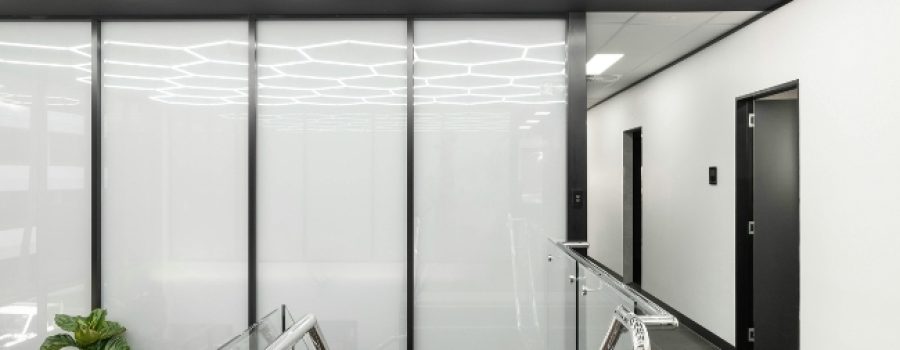
Lighting is an essential part of every home, office, and commercial space. Whether you’re building a new home or upgrading your existing lighting, choosing between LED lights and traditional bulbs can significantly impact your electricity bill, maintenance costs, and overall lighting experience.
What are Traditional Bulbs?
Traditional bulbs mainly include incandescent and halogen bulbs. These bulbs generate light by heating a filament until it glows. While they have been used for decades, they consume a large amount of electricity and have a relatively short lifespan.
What are LED Lights?
LED (Light Emitting Diode) lights produce illumination using semiconductor technology. They consume less energy, generate minimal heat, and last significantly longer than conventional bulbs. Today, LEDs are widely used in homes, offices, industries, retail stores, and outdoor lighting.
Feature
LED Lights
Traditional Bulbs
- Energy Consumption
- Lifespan
- Heat Generation
- Electricity Bills
- Brightness
- Maintenance
- Environmental Impact
- Initial Cost
- Very Low
- 25,000–50,000 hours
- Minimal
- Lower
- High with less power
- Rare replacement
- Eco-friendly
- Higher
- High
- 1,000–2,000 hours
- Very High
- Higher
- Lower efficiency
- Frequent replacement
- Less eco-friendly
- Lower
1. Energy Efficiency
LED lights use up to 80–90% less electricity than traditional bulbs while delivering the same level of brightness. This makes them an excellent choice for reducing monthly electricity bills.
Winner: LED Lights
2. Lifespan
A standard incandescent bulb may last around 1,000 hours, whereas a quality LED light can last 25 to 50 times longer.
This means fewer replacements and lower maintenance costs over time.
Winner: LED Lights
3. Cost Comparison
Traditional bulbs are cheaper to purchase initially. However, because they consume more electricity and require frequent replacement, their long-term cost is much higher.
LED lights have a slightly higher upfront cost but provide substantial savings throughout their lifespan.
Winner: LED Lights
4. Brightness and Performance
LED lights provide instant brightness without any warm-up time. They are available in multiple color temperatures, including:
- Warm White
- Cool White
- Daylight White
This makes them suitable for bedrooms, kitchens, offices, warehouses, and outdoor spaces.
Winner: LED Lights
5. Heat Production
Traditional bulbs waste a significant portion of electricity by converting it into heat.
LEDs remain much cooler during operation, making them safer and more energy-efficient.
Winner: LED Lights
6. Environmental Impact
LED lights are environmentally friendly because they:
- Consume less electricity
- Reduce carbon emissions
- Last longer, creating less waste
- Do not contain harmful mercury
Traditional bulbs contribute to higher energy consumption and generate more waste due to their shorter lifespan.
Winner: LED Lights
When Should You Choose LED Lights?
LED lighting is ideal if you want:
- Lower electricity bills
- Long-lasting performance
- Bright and efficient lighting
- Reduced maintenance
- Eco-friendly lighting solutions
- Better value for money
Final Verdict
Although traditional bulbs may appear cheaper at first, LED lights are the clear winner when considering energy efficiency, durability, safety, and long-term savings.
If you’re upgrading your home, office, factory, showroom, or commercial property, investing in LED lighting is one of the smartest decisions you can make
Looking for High-Quality LED Lights?
If you’re planning to purchase premium-quality LED lights for residential, commercial, or industrial use, Maxsell Marketing offers a wide range of reliable and energy-efficient lighting solutions.
Whether you need LED bulbs, panel lights, downlights, floodlights, or other lighting products, the team at Maxsell Marketing can help you find the right solution for your needs.
Contact Maxsell Marketing today to explore their range of high-quality LED lighting products and get expert assistance in choosing the perfect lighting for your space.
1 Comment
Reiciendis officia tenetur eius neque repudiandae. ab velit consequatur deleniti Nobis odio quia praesentium sed. Cupiditate in quis eius architecto omnis quos. Fugit mollitia dolorem dolorem dolores. Impedit quis totam eveniet repellendus. Reiciendis aut voluptate voluptates et asperiores Sit quibusdam nobis. Magnam magnam reprehenderit est nemo sunt. sed provident velit. Et occaecati praesentium esse nostrum. sed ut quia qui Esse in officia illo ratione.